Merry and Bright Embroidery
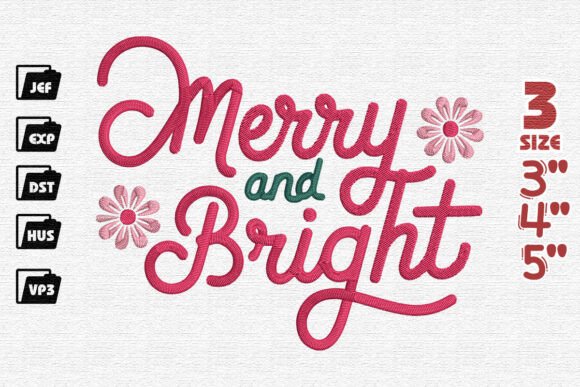
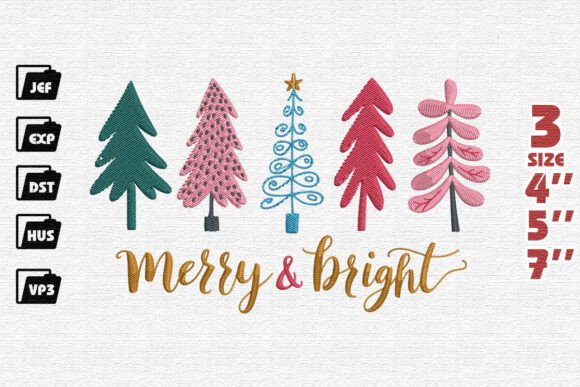
As an embroidery designer with years of experience in the craft fair and handmade market scene, I've seen countless designs come and go. But one that consistently stands out is the Merry and Bright Embroidery. This design has a unique charm that makes it perfect for a variety of products, from tote bags to aprons, and everything in between.
The First Impression
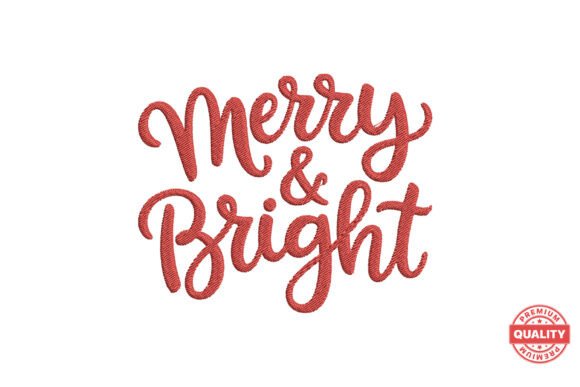
From the moment you lay eyes on the Merry and Bright Embroidery, it exudes a sense of holiday cheer. The elegant script lettering gives it a classic, festive feel without being too over-the-top. It's not just cute—it's refined, making it ideal for both rustic and modern settings. This design feels like it belongs on a farmhouse kitchen towel or a sleek, minimalist tote bag.
Performance on Different Products
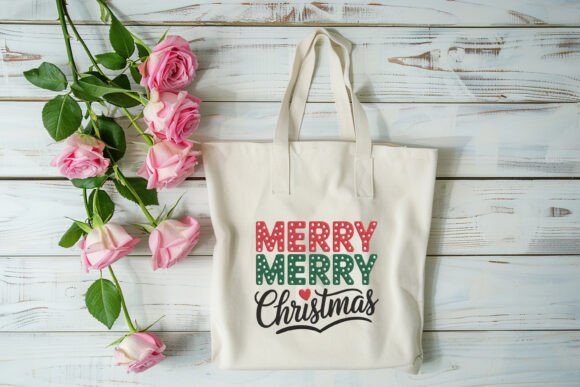
When it comes to craft fair product appeal, the Merry and Bright Embroidery shines across multiple items. On a tote bag design, it adds a personal touch that customers love. On an apron embroidery, it becomes a standout feature that draws attention. For tea towel embroidery, it brings a warm, homey vibe that's perfect for the holiday season.
It also works well as an embroidered patch for jackets or backpacks, and as a focal point on fabric pouches or pillow covers. Whether you're selling manual embroidery or commercial embroidery, this design offers versatility that can be adapted to various fabric textures and colors.
Practical Selling and Production Points
One of the biggest advantages of the Merry and Bright Embroidery is how easy it is to understand at a glance. The script is clean and readable, which is essential for small shop product displays where customers might only have a few seconds to decide. It works well as both a small accent and a large focal design, giving you flexibility in your product offerings.
For Etsy seller listings, the Merry and Bright Embroidery photographs beautifully, especially when paired with the right thread colors. It also holds up well in printable mockup presentations, helping you showcase your design assets effectively.
From a production standpoint, this machine embroidery design is repeatable for batch work. However, it’s important to pay attention to stitch density and ensure that the hoop size is appropriate for the project. Using the right stabilizer is crucial, especially when working with thicker fabrics or textured surfaces like towels.
Careful-Use Notes
While the Merry and Bright Embroidery is generally user-friendly, there are a few things to keep in mind. Dense stitch areas could cause issues on thin or stretchy fabrics, so testing on scrap material is always a good idea. Tiny details might not show up clearly on dark fabrics or curved surfaces like caps, so consider adjusting the design if needed.
Small lettering could be lost at smaller sizes, so it’s best to use this design on larger items or as a prominent feature. If you’re planning to sell finished product, make sure to check the commercial licensing terms before moving forward.
Impact on Visual Appeal and Customer Engagement
The Merry and Bright Embroidery adds visual appeal that can elevate any handmade product. Its festive nature makes it stand out in a crowded craft fair booth, drawing in customers who are looking for something special. It also enhances the perceived value of your items, making them feel more premium and thoughtful.
As a digital embroidery file, it supports brand consistency across different product lines. Whether you're creating market bags or handmade gifts, this design helps maintain a cohesive look that resonates with your audience.
Embroidery Designer Notes
If you're considering using the Merry and Bright Embroidery in your collection, here are a few tips. Always test the design on scrap fabric to see how it looks in real life. Check thread contrast to ensure the letters pop against the background. Review spacing and confirm the hoop size needed for each project.
Inspect the stitch density to avoid puckering or distortion, especially on delicate fabrics. Use the right stabilizer for the type of fabric you're working with. Create at least one real mockup to see how it looks in context. Compare fabric colors to find the best match for your desired aesthetic.
Finally, before selling any commercial embroidery items, confirm the licensing terms to ensure you're compliant with all rules and regulations.