Fly in Edwardian Script
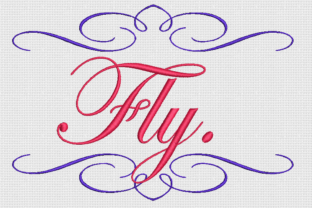
As a designer and embroidery product reviewer, I often find myself evaluating machine embroidery designs with a critical eye—especially when they’re intended for real-world use. Fly in Edwardian Script is one such design that caught my attention for its elegant, vintage-inspired aesthetic. It’s not just another pretty font; it carries a distinct visual personality that feels both timeless and modern. The flowing script, intricate detailing, and subtle flourishes make it ideal for projects that require a touch of sophistication and grace.
The First Impression: A Design That Speaks Volumes
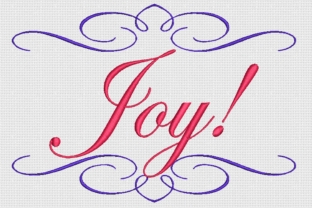
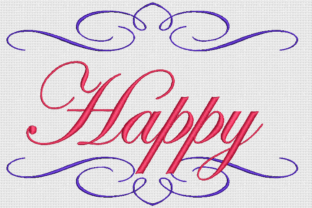
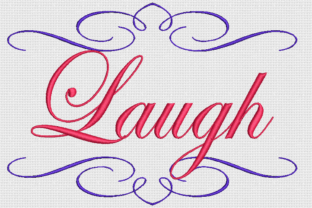
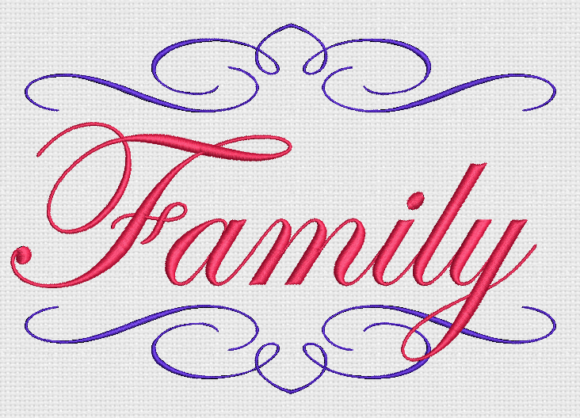
Fly immediately evokes a sense of nostalgia and refinement. Its layout is balanced yet artistic, with a natural flow that suggests movement or flight—hence the name “Fly.” The design’s theme aligns well with awareness inspiration, making it perfect for items like personalized gifts, handmade products, or boutique merchandise that aim to convey meaning through style. Whether used on a baby onesie, a holiday gift, or a custom apparel piece, it has the potential to elevate the overall look and feel of the finished product.
The detail level is impressive, with fine lines and curves that suggest a high-quality embroidery file. However, this also means it requires careful handling during the stitching process. For designers and small business owners, understanding how this design translates on different fabrics and project types is essential before committing to a full production run.
Real-World Embroidery Performance: Where It Shines
When considering where to use Fly, it naturally fits into projects that benefit from a soft, elegant touch. Custom apparel, such as sweatshirts and t-shirts, can take on a more refined look with this design. Tote bags, especially those aimed at a professional or lifestyle-oriented audience, could also benefit from the subtle sophistication of Fly. It works well as an embroidered patch or a decorative element on aprons, pillow covers, and even kitchen towels.
For baby items, the design’s gentle curves and flowing lines make it a great choice for onesies, blankets, and nursery decor. Its clean, readable form ensures that it remains legible even on smaller surfaces. As a holiday or wedding embroidery design, Fly adds a personal and meaningful touch without being overly ornate.
Where to Be Cautious: Limitations and Considerations
While Fly is visually appealing, it’s important to recognize where it may not perform as well. On small hoop sizes, the design’s intricate details might be challenging to stitch accurately. Textured fabrics or thin, stretchy materials could cause the stitches to distort or become less visible. Dark fabrics may also pose a challenge, depending on the thread colors chosen.
Curved surfaces like caps or hats can be tricky, as the design’s flow may not align perfectly with the shape. Tiny lettering or dense stitch areas could lead to puckering or uneven stitching if not stabilized properly. For commercial embroidery projects, it’s crucial to test the design on various fabric types and ensure that the stitch density is appropriate for the intended use.
Visual Appeal and Customer Perception
Fly has the potential to significantly enhance the visual appeal of any project it’s used on. Its elegant script can make a handmade product stand out in a crowded market, whether it’s for an Etsy shop, a craft fair, or a small shop offering custom items. When used effectively, it contributes to a sense of professionalism and craftsmanship that customers appreciate.
For small business owners and creative entrepreneurs, the design’s ability to add value to a product is key. A well-executed Fly embroidery can increase customer trust, improve brand consistency, and make a product more giftable. It also plays a role in buyer engagement, as the design’s uniqueness can attract attention and spark interest in a product.
Practical Designer Notes: Testing and Preparation
Before using Fly in a real project, I always recommend testing it on scrap fabric. This helps identify any issues with stitch density, stabilizer needs, or thread color contrast. Checking the design in black and white mockups can also reveal how it will look on different fabric backgrounds.
It’s also wise to compare the design on light and dark fabrics to ensure visibility and clarity. Using the right stabilizer is crucial, especially for delicate or stretchy materials. For applique designs or satin stitch applications, ensuring that the design is compatible with your machine and hoop size is essential.
As an embroidery designer, I always confirm whether a design is suitable for both personal and commercial use. While Fly appears to be versatile, it’s important to check the licensing terms before selling finished items or digital products. This ensures that you’re fully compliant and avoid any legal issues down the line.
Final Thoughts: A Design Worth Considering
Fly in Edwardian Script is a machine embroidery design that offers both beauty and versatility. Its elegant style makes it a strong candidate for a wide range of projects, from custom apparel to personalized gifts. However, like any design, it requires thoughtful application and proper preparation to achieve the best results.
For embroidery designers, small business owners, and crafters, Fly represents a valuable addition to their design assets. With the right approach, it can elevate the quality of their work and help them stand out in a competitive market. Whether used for a handmade product, a digital embroidery file, or a commercial project, Fly has the potential to make a lasting impression.